Close your eyes, sit in a meditative pose, and focus your attention on our forehead at the space between your eyebrows. If you feel a sensation (maybe physical/muscular stress) try to touch that spot with your finger. That is the location of the symbolic spiritual eye; the third eye. That is also the spot where dharmics put a dot. Red, orange, white, beige, yellow, and sometimes black. The color does not matter, as much as the material. Usually, it is kumkum (turmeric + slaked lime) or other natural material, such as sandalwood.
Buddha wore it, Siva wore it, and Hindu women and girls wear it. A notable exception is Mahavira, perhaps because he renunciated all forms of external adornments. But it is the visible variety in the Sanatana Dharmis that is intriguing. Lines, straight and curved, vertical and horizontal. Even the dots and spear-heads.
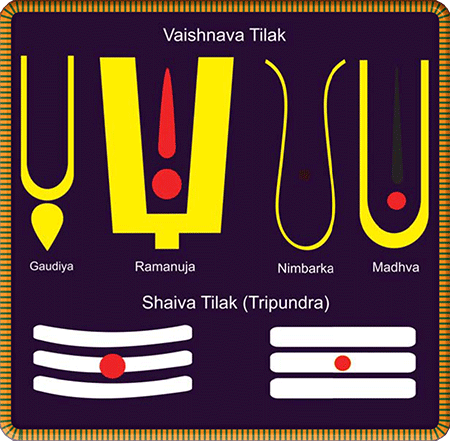
In wearing their headmark, some highlight their divinity, others their discipline of worship. Some even make a sectarian statement. Women choose the color red to indicate their marital status.
Then, there are the flags and symbols. Dhvaja are visible on temples, vehicles, and homes. Even Arjuna had one on this chariot in the battle of Kurukshetra.
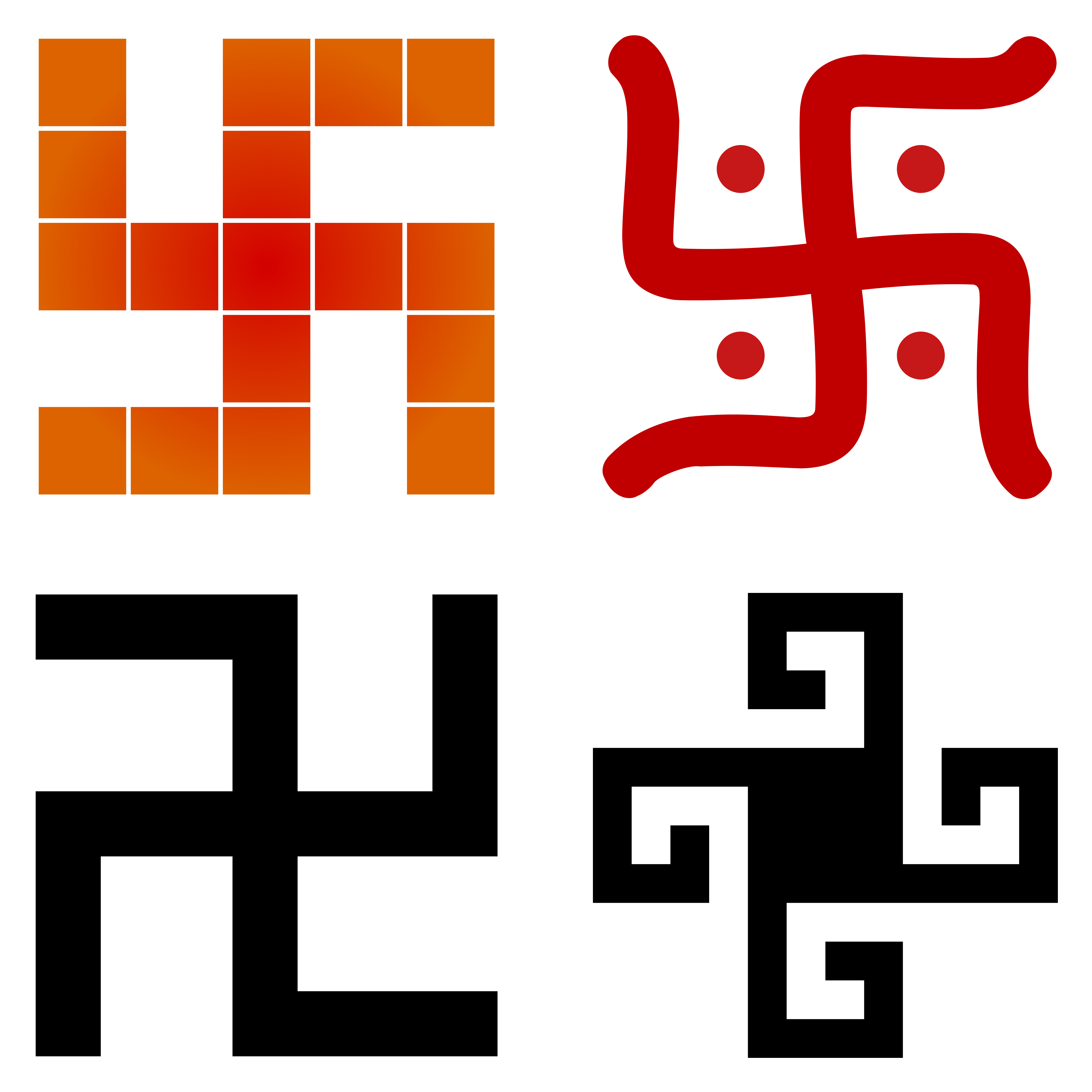

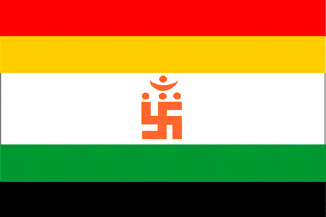

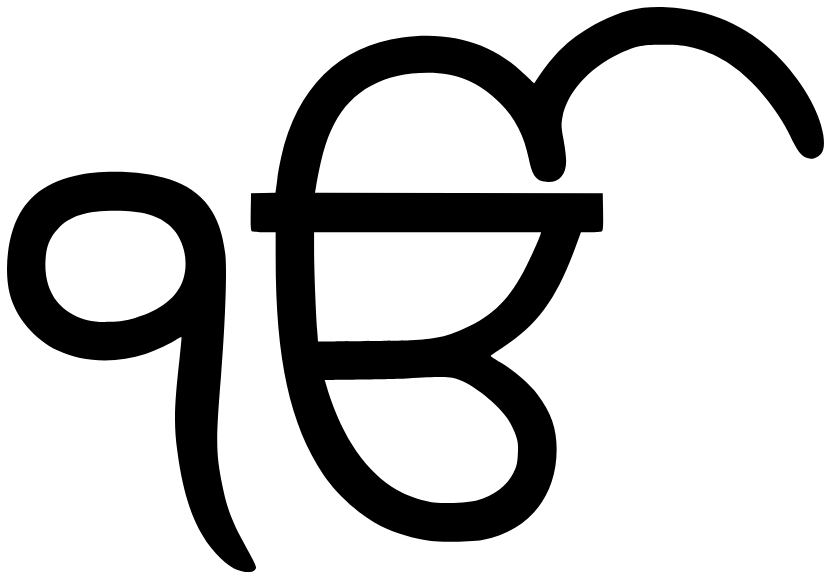
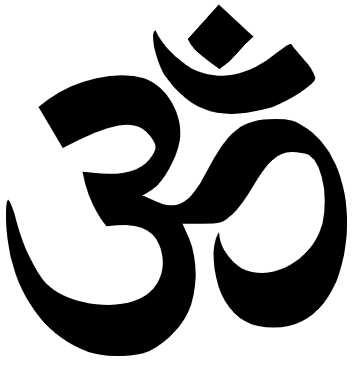

These symbols are representative of auspiciousness or the concept of OM – a representation of the Truth, the Brahman.
Lines and dots, kesari (orange) or kumkum, next time you come across them, pay attention to the vocabulary, the tenor, and the trade. There’s a strong correlation between them and the bearers’ lines and dots.
 धार्मिक छवियाँ